 Spanish
 schedule a consultation 601-948-8005
schedule a consultation 601-948-8005
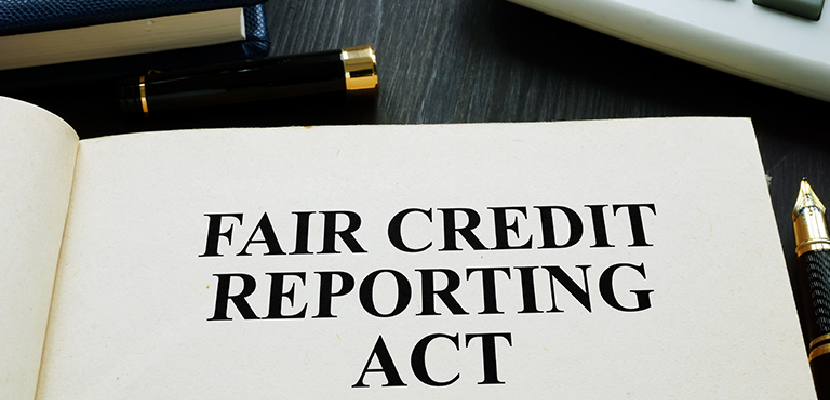
The federal Fair Credit Reporting Act (FCRA) requires credit reporting agencies (credit bureaus) and entities reporting information to those agencies to ensure the accuracy, privacy, and fairness of credit information. Unfortunately, not all creditors, debt collectors, debt buyers, and others comply with the law.
And, credit reporting agencies are often lax about fulfilling their obligation to investigate and correct information that has been disputed by the consumer. The FCRA contains powerful provisions to assist consumers in forcing compliance with the law. In some instances, the statute even provides for monetary damages that can be obtained with the help of our law firm. Chhabra, Gibbs & Gustavis, P.A., has a proven track record of success with litigation and will dedicate ourselves to your case.
In the United States, there are three main credit reporting agencies: Equifax, Experian, and TransUnion. Each of these agencies collects information about consumers, including payment histories, outstanding debt, employment, and other personal data. The agencies provide this data, along with a credit score based on the data collected, to a variety of entities seeking information about the consumer. Some of the most common examples include potential creditors, prospective employers, automobile insurance companies, and potential landlords.
These agencies, along with several more specialized credit reporting agencies, have several legally-mandated responsibilities under the FCRA. Some of the most important include obligations to:
Credit bureaus routinely receive information from banks, credit card issuers, mortgage lenders, automobile finance companies, collection agencies, and debt buyers. They may also receive information from governmental entities, utility providers, and others.
Each of these entities has an obligation to refrain from reporting information they know to be inaccurate, or that they reasonably should know is inaccurate. Some other obligations include:
The FCRA also imposes obligations on those who receive and use a consumer credit report for a permissible purpose. One key obligation is to advise you in writing if adverse action was taken based on information in your credit report.
Some examples of adverse action include being turned down for a loan and having an application for an apartment denied. This notice of adverse action must also contain the name of and contact information for the credit reporting agency that provided the report. When you receive this type of notice, you may request a free copy of your credit report from that agency. When these agencies fail to meet these obligations, a litigation attorney can help.
While the obligations of both credit reporting agencies and those furnishing information to the agencies are clearly set forth in the statute, it is common for one or both entities to fail in their obligations. Some common examples include:
When violations occur under the FCRA, we can assist with your statutory, actual, and punitive damages. Contact Chhabra Gibbs & Herrington PLLC today for your FCRA litigation needs. There is no fee to discuss.
Do you need legal help or a consultation? Contact us now.







Main Office:
120 N Congress St.
Suite 200
Jackson, MS 39201
Call 601-948-8005
Gulfport Office:
2202 25th Avenue
Suite C-2
Gulfport, MS 39501
Call (877) 317-8005
Fields Marked With An ”*” Are Required
"*" indicates required fields
© 2026 Chhabra, Gibbs & Gustavis, P.A • All Rights Reserved. Disclaimer | Site Map | Privacy Policy.
*Images are obtained under license from Canva and other third-party stock image providers, with attribution included where required.
Digital Marketing By: