 Spanish



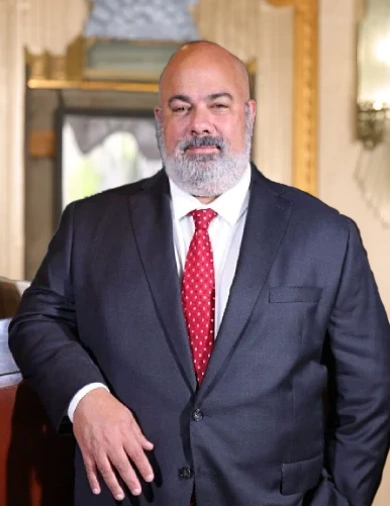
By Tyler Broome, attorney, Family and Disability Law Firm, P.A.
A Social Security disability hearing in Mississippi is a recorded, informal meeting with an administrative law judge (ALJ). You answer questions under oath about your health, your work history, and your daily limits. The judge may also hear from a vocational or medical expert, then decides your claim later in writing.
If your hearing is coming up, call Chhabra, Gibbs & Gustavis, P.A. at 601-948-8005 to schedule a consultation with our affiliated Social Security disability law firm. Early preparation gives you time to fill gaps in your medical records.
Which Mississippi Hearing Office Will Handle Your Case?
Mississippi has three SSA hearing offices, in Jackson, Hattiesburg, and Tupelo. SSA assigns your case by the Social Security field office that serves the area where you live. SSA’s published hearing office service areas list them this way.
Jackson. The Jackson office takes cases from the Jackson, Vicksburg, Kosciusko, Greenville, Greenwood, and Cleveland field office areas.
Hattiesburg. The Hattiesburg office covers much of south Mississippi. That includes the Gulfport, Moss Point, Hattiesburg, Laurel, Meridian, McComb, Brookhaven, Natchez, Forest, and Philadelphia field office areas.
Tupelo. The Tupelo office takes cases from the Tupelo, Columbus, Starkville, Corinth, Grenada, and Clarksdale field office areas.
Judges sometimes travel or hold hearings remotely, so your hearing may not take place in that city. Your notice of hearing tells you the office, the date, and the way you will attend.
How Can You Attend a Disability Hearing?
SSA offers four ways to attend a hearing before a judge:
In person at an SSA office.
By telephone from a private place you choose.
By agency video using SSA’s equipment at one of its offices.
By online video on your own phone, tablet, or computer from a private place.
After you request a hearing, SSA mails a “Notice of Ways to Attend a Hearing.” It includes a form to object to a telephone or agency video hearing. You generally have 30 days to return that objection. Online video works the other way. SSA schedules it only if you agree in writing.
Each format follows the same rules. Choose the one where you can speak clearly and comfortably for about an hour. SSA says hearings can take about an hour, sometimes longer.
When Will You Learn Your Hearing Date?
SSA must send your notice of hearing at least 75 days before the hearing date. The notice gives the date, the time, and how you will appear. You can waive that 75-day notice with form HA-510, which may help SSA schedule you sooner.
Need a different date or place? SSA’s hearing process page says to ask within 30 days of receiving the notice. You must also ask no later than 5 days before the hearing. If you miss that window, the judge decides whether you had a good reason.
Keep your mailing address, phone number, and email current with the hearing office. Missed mail is one of the easiest ways to lose ground in a claim.
The Five-Business-Day Evidence Rule
Evidence deadlines catch many claimants off guard. Under 20 CFR § 404.935, you must submit written evidence, or tell SSA about it, at least 5 business days before the hearing. If you miss that deadline, the judge may refuse to consider the evidence.
Limited exceptions exist. They include a serious illness, a death in the family, or records you asked for in time that never arrived. Exceptions may apply in other situations, but you should not count on one.
The safest plan is to request records from every doctor, clinic, and hospital well before the deadline. Our post on evidence used for an SSD claim explains what helps most.
Who Will Be at the Hearing?
A hearing is far less formal than a courtroom trial. You will not face a jury or a lawyer for the government.
The administrative law judge runs the hearing and decides your case.
A hearing reporter records and monitors the hearing.
Your representative, if you have one, questions you and the experts.
A vocational expert may testify about jobs and how your limits affect them.
A medical expert sometimes testifies about your records.
An interpreter is available free of charge if you ask the hearing office ahead of time.
You may also bring a witness, such as a family member who sees your daily struggles.
What Happens During a Social Security Disability Hearing in Mississippi?
Most hearings follow a similar pattern. First, the judge explains the issues and swears in everyone who will testify. Next, the judge or your representative asks you questions.
Then the vocational expert often answers “hypothetical” questions. The judge describes a person with certain limits and asks whether that person could do your past work or other jobs. Your representative can add limits from your records and ask the expert follow-up questions.
You and your representative may question any witness. The hearing ends when the judge has heard enough. The judge usually does not announce a decision at the end.
What Will the Judge Ask You?
Questions usually cover your past work, your medical conditions, and your daily life. Expect questions like these:
What jobs did you hold in recent years, and what did they require physically?
How long can you sit, stand, or walk before you need a break?
How much can you lift, and how often?
What do pain, fatigue, anxiety, or other symptoms do to your concentration?
What treatment have you had, and what side effects do your medications cause?
Answer honestly and specifically. “I can stand about 15 minutes before my back forces me to sit” tells the judge more than “I can’t stand long.” Do not exaggerate, and do not downplay your limits either. Bad days count, so describe how often they happen.
How to Prepare for a Social Security Disability Hearing in Mississippi
Review your file. SSA lets you see the evidence in your case file before the hearing. You can view it through a my Social Security account, on a disc, or at the hearing office.
Keep treating. Gaps in care can weaken a claim. Read why continuing medical treatment matters during an SSD case.
Write down your limits. List your medications, side effects, and the tasks you can no longer do. Note how often you have bad days.
Plan the day. For a phone hearing, charge your phone and find a quiet room. For an in-person hearing, plan your route and arrive early.
What If You Miss Your Hearing?
Call the hearing office right away. The phone number is on your notice of hearing. SSA may mail a “Request to Show Cause for Failure to Appear.” It generally gives you 10 days, plus 5 days for mailing, to explain why you missed. Without a good reason, the judge may dismiss your request for a hearing.
What Happens After the Hearing?
The judge issues a written decision based on all the evidence. The hearing office mails it to you and your representative. A decision may be fully favorable, partially favorable, or unfavorable.
If you disagree, you generally have 60 days to ask the Appeals Council to review it. Our guide to how a Social Security disability appeal in Mississippi works walks through each appeal level. For older background on scheduling, see how long it takes to get a Social Security disability hearing.
Do You Need a Lawyer for a Disability Hearing?
You do not need a representative, but SSA recommends appointing one early if you plan to. A representative needs time to review your file and fill evidence gaps before the 5-day deadline.
Fees for disability representation need SSA approval. Under SSA’s fee agreement process, the fee is generally limited to 25% of past-due benefits or a dollar cap set by SSA, whichever is less. Ask about fees at your first meeting.
Unsure which benefit you applied for? Our post on SSI vs SSDI in Mississippi explains the difference. A crash or work injury may also support a personal injury or workers’ compensation claim, so tell your lawyer about every claim you have.
Waiting months for a hearing while living with a serious condition is exhausting. Walking in prepared can make the day far less stressful.
How Family and Disability Law Firm, P.A. Can Help
The founding members of Chhabra, Gibbs & Gustavis, P.A. formed Family and Disability Law Firm, P.A. as an affiliated firm. It handles Social Security disability and SSI hearings and appeals across Mississippi. Attorney Tyler Broome leads the firm.
The team can review your file, request missing records, meet the evidence deadline, and prepare you to testify. Learn more about disability hearing help from Family and Disability Law Firm, P.A. Protecting Victims. Pursuing Justice.
Talk With a Mississippi Social Security Disability Lawyer
If you have a Social Security disability hearing in Mississippi on the calendar, call CGG Law at 601-948-8005 or toll-free at (877) 317-8005. You can also contact us online or read more about our Mississippi Social Security disability services.
This post is for general information only and is not legal advice. Reading it does not create an attorney-client relationship. Attorney advertising.
Share: