 Spanish
Mississippi Social Media Lawsuit Lawyer: What the First $6 Million Verdict Means for Your Family
A jury has spoken. For the first time in American legal history, a jury held social media companies directly accountable for the psychological harm their platforms caused to a child. The verdict — $6 million against Meta and YouTube — is not just a legal milestone for families across the country. It is a direct signal to Mississippi families in Jackson, Gulfport, and communities statewide that justice is now possible.
If your child or a young adult you know has suffered depression, anxiety, self-harm, eating disorders, or social media addiction, you may have a claim under Mississippi law. Chhabra, Gibbs & Gustavis, P.A. is actively accepting social media harm cases throughout Mississippi. This post explains the verdict, what it means for your rights, and how to find out if you qualify.
The First Social Media Addiction Lawsuit Verdict: What Happened in 2026
On March 25, 2026, a jury in Los Angeles Superior Court returned a $6 million verdict in the first bellwether trial of the nationwide social media addiction lawsuit litigation. The case was part of the California Judicial Council Coordinated Proceedings (JCCP) — a large coordinated docket of cases alleging that social media platforms intentionally designed addictive features that caused serious psychological harm to children and teens across the country, including thousands of young people throughout Mississippi.
The jury found both Meta (the parent company of Facebook and Instagram) and YouTube liable on two separate legal theories: negligence and failure to warn. The verdict broke down as follows:
- $3 million in compensatory damages to address the real harm suffered by the plaintiff
- $3 million in punitive damages to punish the companies for their conduct
The plaintiff was a young woman who alleged that features intentionally built into social media platforms contributed to depression, anxiety, body dysmorphia, and suicidal ideation. The jury found that both Meta and YouTube knew their designs were dangerous, knew users would not realize the danger, and failed to provide adequate warnings.
Notably, Snapchat and TikTok both settled before trial — Snapchat just before jury selection and TikTok right as the trial was beginning. The fact that two of the largest social media companies in the world chose to settle rather than face a jury speaks volumes.
What the Companies Knew — and When They Knew It
One of the most important findings in the bellwether verdict was the jury’s determination that Meta and YouTube knew their platform designs were dangerous and knew that users would not realize the danger. This is not speculation — it is based on internal documents from inside these companies.
Internal research at Meta, for example, showed the company’s own scientists documenting the negative effects of Instagram on teenage girls’ body image and mental health. Rather than redesign their products, these companies chose to protect their engagement metrics and advertising revenue.
The jury saw this evidence and returned a verdict reflecting exactly what those documents showed: these companies put profits ahead of children. Mississippi families deserve the same opportunity to present that evidence on their behalf.
Why Bellwether Verdicts Matter
A bellwether trial is a test case selected from a large group of similar lawsuits. Courts use bellwether trials to evaluate how juries respond to key evidence and legal arguments before thousands of similar cases move toward resolution.
This verdict is the first of its kind in the social media addiction litigation — and it matters enormously. It tells us:
- Juries are willing to hold social media companies responsible for harm to children
- The legal theories of negligence and failure to warn are viable in court
- Companies like Snapchat and TikTok are already settling to avoid jury trials
- More trials are already scheduled for summer 2026 in both the JCCP and the federal MDL in Northern California
History tells us that bellwether verdicts like this one dramatically accelerate settlements and resolutions across the broader litigation. Mississippi families who file claims now are positioning themselves at the front of that process.
Who Qualifies for a Mississippi Social Media Lawsuit
Mississippi residents in Jackson, Gulfport, Biloxi, Hattiesburg, Tupelo, Meridian, and communities across the state may be eligible to file a social media harm claim. There are three categories of claimants that Chhabra, Gibbs & Gustavis is actively evaluating:
1. Individuals and Families
You or your child may have a claim if they began using TikTok, Instagram, Snapchat, or Facebook before the age of 21, currently use social media at least three hours per day, and have experienced one or more of the following harms:
- Depression or anxiety
- Self-harm or suicidal ideation
- Eating disorders or body dysmorphia
- Social media addiction that disrupted school, work, or family life
- Exploitation or predatory contact through social media platforms
- Any other serious psychological or emotional harm tied to platform use
2. Young Adults
These claims are not limited to minors. Adults who began using social media platforms before age 21 and who have suffered documented psychological harm as a result of addictive platform design may also have viable claims. Many young adults in Mississippi have spent years battling anxiety, depression, and addiction directly tied to how these platforms are engineered — and may not realize they have legal recourse.
3. Mississippi School Districts
School districts across the country are already pursuing claims against social media companies for costs they have incurred addressing the downstream mental health crisis in their schools. Mississippi districts that have spent money on counseling services, intervention programs, mental health staffing, or other resources tied to excessive social media use among students may be entitled to compensation.
If your district has seen a measurable increase in mental health demands that you can connect to social media use, we encourage you to contact our firm for a confidential evaluation.
Why Mississippi Families Should File a Social Media Lawsuit Now
Timing matters in mass tort litigation. Here is why:
- Statutes of limitations apply. Mississippi has specific deadlines for personal injury claims, and waiting too long may eliminate your right to file entirely.
- Settlement pressure is building. With the bellwether verdict in hand, defendants face increasing pressure to resolve claims. Early filers are generally better positioned in this environment.
- More trials are coming. Bellwether trials are scheduled for summer 2026. Each new verdict shapes the litigation and the settlement landscape.
- Evidence preservation is critical. The sooner a case is evaluated, the better the opportunity to preserve medical records, usage data, and other documentation that supports a claim.
Why Choose Chhabra, Gibbs & Gustavis as Your Mississippi Social Media Attorney
Mississippi is already in the fight. The Mississippi Attorney General has previously joined multistate actions against Meta over harm to children. Mississippi families deserve local counsel with the experience, resources, and track record to pursue these claims aggressively — not a national intake mill that treats your case as a file number.
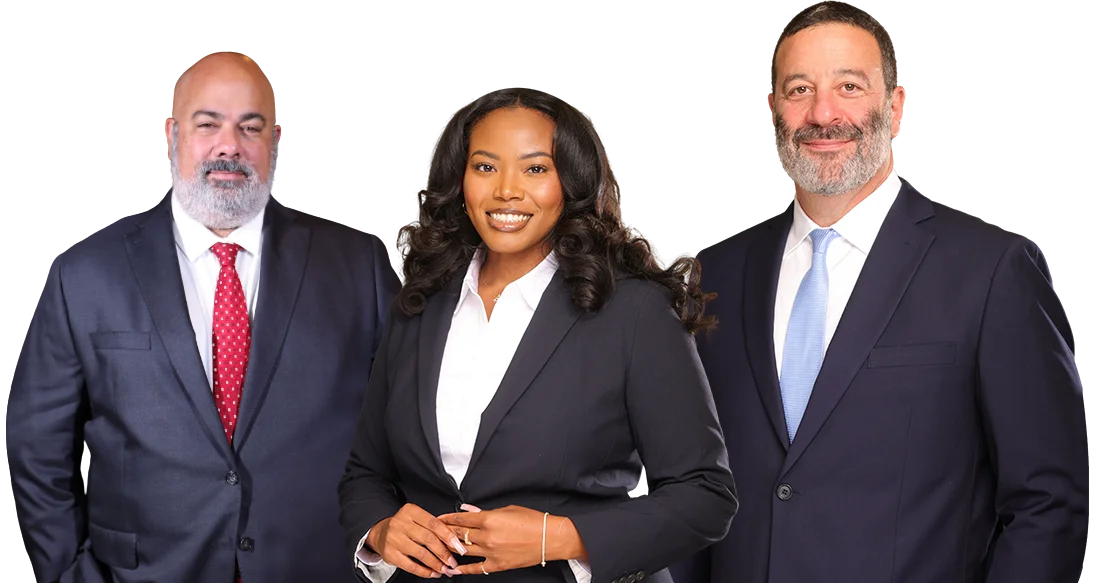
Chhabra, Gibbs & Gustavis is a Mississippi firm. We know Mississippi families, Mississippi courts, and what it takes to go up against opponents with unlimited legal resources. We have done it for more than 25 years and recovered over $265 million for our clients in the process.
Our mass tort experience includes cases involving Roundup, Paraquat, and other complex product liability litigation where the defendants were large corporations with teams of lawyers. Social media harm litigation is the same fight with different defendants. We know how to build these cases, evaluate damages, and pursue maximum recovery for our clients.
We have offices in Jackson and Gulfport to serve clients across Mississippi. All consultations are free and confidential. We take these cases on a contingency basis — meaning there are no fees unless we win for you.
Contact a Mississippi Social Media Lawsuit Attorney Today
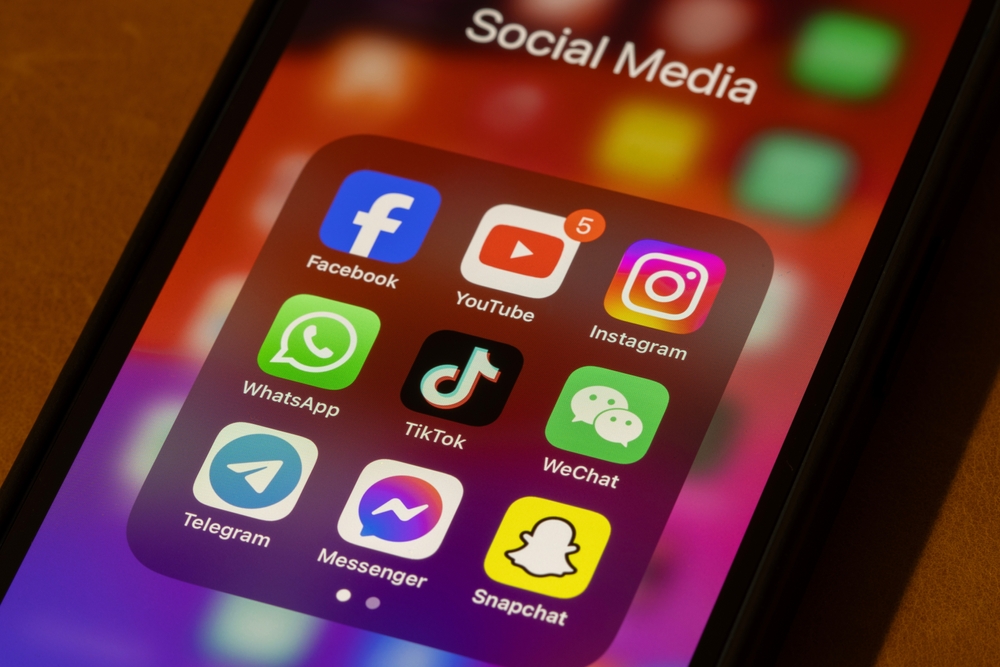
If you or your child has been harmed by TikTok, Instagram, Snapchat, Facebook, or YouTube, do not wait. Mississippi statutes of limitations apply and time to file is limited. Chhabra, Gibbs & Gustavis serves clients throughout Mississippi from offices in Jackson and Gulfport.
Call us at 601-948-8005 or visit cglawms.com to schedule your free, confidential consultation. We take these cases on contingency — no fees unless we win.
A single conversation could open a door you did not know was there.
Frequently Asked Questions: Mississippi Social Media Lawsuits
Yes. Mississippi residents may pursue claims against TikTok, Instagram, Snapchat, Facebook, and YouTube for psychological harm caused by addictive platform design. A recent bellwether jury found Meta and YouTube liable for negligence and failure to warn. Chhabra, Gibbs & Gustavis is accepting these cases on a contingency basis with no upfront fees.
Generally, your child or young adult must have begun using a social media platform before age 21, currently use social media at least three hours per day, and have suffered documented harm — such as depression, anxiety, self-harm, eating disorders, or addiction — tied to platform use. Every case is evaluated individually.
Mississippi statutes of limitations apply to personal injury claims, and waiting too long may eliminate your right to file. We strongly encourage you to contact our office as soon as possible for a free case evaluation to ensure your rights are protected.
Yes. School districts across the country are pursuing compensation for costs incurred addressing student mental health crises tied to social media. Mississippi districts that have spent on counseling, intervention programs, or mental health staffing connected to excessive social media use may have viable claims. Contact Chhabra, Gibbs & Gustavis for a confidential district evaluation.
Nothing upfront. Chhabra, Gibbs & Gustavis handles these cases on a contingency fee basis — meaning you pay no legal fees unless we recover compensation for you. Your initial consultation is always free and confidential.
Share: