 Spanish
 schedule a consultation 601-948-8005
schedule a consultation 601-948-8005
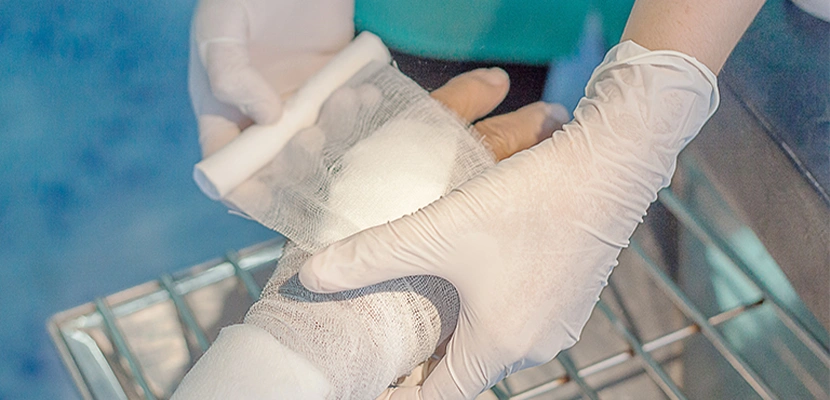
Millions of people have received medical treatment for burns in the past few years. Severe burn injuries are some of the most devastating types of personal injury in Mississippi, and are the third-leading cause of unintentional death in the United States, behind vehicle accidents and falls. Third-degree burns cause severe pain and injury, and may cause muscle, tendon, and ligament damage, as well as severe disfigurement. They may require years of treatment, including skin grafting, skin substitutes, rehabilitation, medication, and even perhaps psychological therapy.
If you have suffered a severe burn injury because of another person’s actions or negligence, you have the right to bring a personal injury lawsuit against that person. If he or she was working for a company at the time of the injury, you also have the right to sue his or her employer. You can recover financial damages for all medical expenses, lost wages, pain and suffering, emotional distress, and loss of enjoyment of life. Working with a personal injury attorney such as Chhabra, Gibbs & Gustavis, P.A. is the optimal way to ensure you are fully compensated for all physical and psychological injuries, so you can recover as completely and regain as much quality of life as possible.
First-Degree Burns: A first-degree burn usually affects only the outer layer (epidermis). A sunburn is a good example of a first-degree burn: the skin is red and dry, and tender to the touch, but there are no blisters.
Second-Degree Burns: A second-degree burn affects the epidermis and the next layer of skin, the dermis. The dermis also has two layers: the superficial (“papillary”) dermis and the deep (“reticular”) dermis layer.
Third and Fourth-Degree Burns: Third-degree burns affect all layers of the skin and often the underlying tissue, tendons, joints, and bones, so they are also called full-thickness burns. The burned area may be charred black or dry and white. For some people, a third-degree burn is excruciatingly painful. If they are not painful, that means the nerve endings have been destroyed. Third-degree burns result in scarring and often require skin grafting. Victims will also lose hair shafts and keratin. Fourth-degree burns damage muscle, tendon, and ligament tissue, resulting in charring and catastrophic damage of the hypodermis, including nerve endings, resulting in loss of sensation. In some cases, the hypodermis tissue may be partially or completely burned away, resulting in a condition known as compartment syndrome, a life-threatening disorder. Skin grafting is required if the burns do not prove fatal.
Burns are also assessed in terms of total body surface area (TBSA) burned, which is the percentage affected by partial thickness or full thickness burns. The adult body is divided into regions, each of which makes up nine percent of the TBSA. These regions are the head and neck, each upper limb, the chest, the abdomen, the upper back, the lower back, and the buttocks, the front of each lower limb, and the back of each lower limb. These 11 regions make up 99 percent of the human body. The remaining one percent is the genital area. With an infant or small child, more emphasis is placed on the head and trunk.
The first 48 hours after being burned are the most critical for survival and recovery. The two main concerns of health care professionals are infection and fluid loss:
To counter these concerns, doctors will order intravenous (IV) fluids, antibiotics, and a tetanus shot during the initial treatment after a burn. Once the patient has been stabilized, the wounds are cleaned and covered. If there is not enough skin left to cover the burned area, doctors will perform skin grafts, using skin from non-burned areas of the victim’s body if possible, and, if not, using donated skin (from a deceased donor) or artificial skin.
Here are some tips to prevent fires and avoid a burn injury at home or work:
Insurance companies aren’t your friends. They’re in business to make money, and they do this by collecting more money than they pay out. It’s in an insurance company’s best interests to avoid paying out on your claim, and sometimes they may try to avoid paying your legitimate burn injury claim. When they do pay, insurance companies try to low-ball you so they can keep more of their money for themselves. Things can get even more complicated if you’re injured in Mississippi.
If you have received a burn injury or had your property damaged in a fire that was not your fault, don’t put yourself or your family at financial risk – contact the Mississippi fire accident and injury lawyers at Chhabra, Gibbs Gustavis, P.A. today to learn more about your rights.
Do you need legal help or a consultation? Contact us now.






Main Office:
120 N Congress St.
Suite 200
Jackson, MS 39201
Call 601-948-8005
Gulfport Office:
2202 25th Avenue
Suite C-2
Gulfport, MS 39501
Call (877) 317-8005
Fields Marked With An ”*” Are Required
"*" indicates required fields
© 2026 Chhabra, Gibbs & Gustavis, P.A • All Rights Reserved. Disclaimer | Site Map | Privacy Policy.
*Images are obtained under license from Canva and other third-party stock image providers, with attribution included where required.
Digital Marketing By: