 Spanish
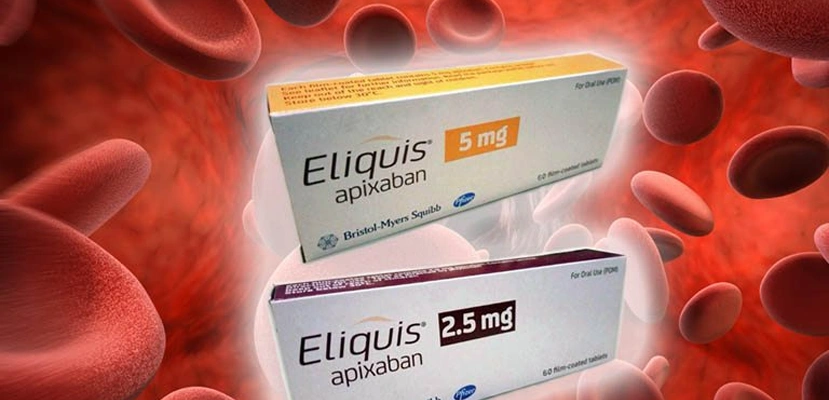

The blood thinning medication Eliquis (apixaban) has been linked to serious internal bleeding complications that may be fatal.
If you or a loved one took apixaban and suffered any of the following Eliquis side effects, contact us today:
- Bleeding on the brain
- Intestinal bleeding
- Kidney bleeding
- Uncontrolled bleeding
- Deep vein thrombosis (DVT)
- Death
What Are the Side Effects of Eliquis?
The side effects of Eliquis (apixaban) range from mild and manageable to severe and life-threatening. Because Eliquis is a blood thinner, nearly every side effect eliquis patients report is connected in some way to bleeding or bruising. Understanding the difference between a mild reaction and a medical emergency can save a life.
Common (Mild) Side Effects of Eliquis
Most people who experience side effects of Eliquis report symptoms that are mild and temporary, including:
- Bruising more easily than usual
- Minor bleeding, such as nosebleeds or bleeding gums
- Nausea
- Anemia (low red blood cell count), which can cause fatigue or weakness
- Heavier-than-normal menstrual bleeding
Serious Side Effects of Eliquis
Some patients experience serious — and sometimes fatal — Eliquis side effects that require emergency medical care. These include:
- Bleeding on the brain (intracranial hemorrhage)
- Gastrointestinal (intestinal) bleeding
- Kidney bleeding
- Spinal or epidural bleeding after a spinal procedure
- Uncontrollable or prolonged bleeding from any cut or wound
- Blood in the urine or stool, or red/black tarry stools
- Coughing up blood or vomiting blood (or vomit resembling coffee grounds)
- Severe headache, sudden confusion, or dizziness
- Deep vein thrombosis (DVT)
- Death
Anyone who experiences these warning signs while taking Eliquis should seek emergency medical treatment immediately and contact a doctor as soon as possible afterward.
Why Eliquis Bleeding Side Effects Are So Dangerous
Unlike warfarin, which can be reversed with Vitamin K, Eliquis was brought to market without a reliable, widely available antidote to stop bleeding once it starts. That gap between prescribing the drug and having a dependable way to reverse its effects is at the center of nearly every Eliquis lawsuit filed to date, and it is why side effects of Eliquis that would be manageable on an older blood thinner can become medical emergencies.
Eliquis Lawsuit Allegations
Plaintiffs in Eliquis lawsuits allege that Pfizer and Bristol-Myers Squibb:
- Failed to adequately research the bleeding side effects of Eliquis before bringing it to market
- Failed to warn doctors and patients about the risk of uncontrollable bleeding
- Failed to identify or develop a reliable reversal agent before the drug’s release
- Failed to recommend appropriate monitoring for at-risk patients
- Placed profits ahead of patient safety by aggressively marketing Eliquis over older, reversible blood thinners
Compensation Available in an Eliquis Case
Patients and families affected by serious Eliquis side effects may be entitled to compensation for medical bills and future treatment, lost wages, pain and suffering, and — in cases involving a death — a wrongful death claim on behalf of the estate. The value of any individual claim depends on the severity of the injury and its impact on the patient’s life.
Why Choose Chhabra, Gibbs & Gustavis, P.A.
Our Mississippi attorneys have decades of combined experience holding pharmaceutical companies accountable for dangerous drugs. We handle every Eliquis consultation on a no-cost, no-obligation basis, and we only get paid if we recover compensation for you.
FAQs
What Are The Side Effects Of Eliquis?
The side effects of Eliquis (apixaban) range from mild to life-threatening. Mild and common side effects of Eliquis include easy bruising, minor bleeding such as nosebleeds or bleeding gums, nausea, and anemia. Serious Eliquis side effects include uncontrollable internal bleeding, gastrointestinal hemorrhage, bleeding on the brain, spinal or epidural bleeding, and death. Because Eliquis has no readily available bleeding antidote in many emergency situations, even a minor injury can turn into a medical emergency.
What Are The Most Common Side Effects Of Eliquis?
The most common side effects of Eliquis are related to its blood-thinning action: easy bruising, minor nosebleeds or gum bleeding, heavier menstrual bleeding, nausea, and anemia (low red blood cell count that can cause fatigue and weakness). These mild side effects of Eliquis typically resolve on their own, but they should still be reported to a doctor, especially if they persist or worsen.
What Are The Serious Side Effects Of Eliquis I Should Watch For?
Serious side effects of Eliquis require immediate medical attention. Warning signs include blood in the urine or stool, red or black tarry stools, coughing up blood, vomiting blood or material that looks like coffee grounds, nosebleeds lasting longer than 10 minutes, severe headache, sudden confusion, dizziness, fainting, or weakness on one side of the body. Any of these symptoms after taking Eliquis (apixaban) should be treated as a medical emergency.
Is Eliquis Bleeding Considered A Side Effect Or A Defect?
Both. Bleeding is a known side effect of every blood thinner, including Eliquis. However, Eliquis lawsuits allege that the manufacturers, Pfizer and Bristol-Myers Squibb, failed to adequately warn doctors and patients that Eliquis lacked a readily available reversal agent to stop severe bleeding when it started — turning an expected side effect into an unreasonably dangerous and often fatal complication.
Can I File A Lawsuit For Side Effects Of Eliquis?
You may have a legal claim if you or a loved one suffered a serious bleeding event, hospitalization, or death after taking Eliquis. Eliquis lawsuits allege the drug makers failed to warn about uncontrollable bleeding risks and failed to adequately investigate a reversal agent before bringing the drug to market. An attorney can review your medical history and determine whether you qualify to file an individual claim.
What Compensation Is Available For Eliquis Side Effects?
Patients and families pursuing an Eliquis claim may be able to recover compensation for medical expenses, hospitalization and rehabilitation costs, lost income, pain and suffering, and — in fatal cases — wrongful death damages. The value of a claim depends on the severity of the bleeding event and its long-term impact.
How Long Do I Have To File An Eliquis Claim?
Every state sets its own statute of limitations for product liability and wrongful death claims, and the clock generally starts running from the date of injury or death, not the date Eliquis was first prescribed. Because these deadlines are strict and vary by state, it is important to speak with an attorney as soon as possible after a serious bleeding event to protect your right to compensation.
Is “Eloquis” The Same As Eliquis?
Yes. “Eloquis” is simply a common misspelling of Eliquis, the brand name for the blood thinner apixaban. If you searched for the side effects of Eloquis, you were most likely looking for information on Eliquis (apixaban) — the two refer to the same medication and carry the same bleeding risks.
Different Blood Thinner, Same Complications
Eliquis (apixaban) was introduced in 2012 by Pfizer and Bristol-Meyers Squibb to prevent stroke in patients with atrial fibrillation and to prevent blood clots in patients undergoing hip or knee replacement surgery. It is the third member of a new generation of blood thinners, behind Pradaxa and Xarelto, that were introduced to the market to compete with warfarin, which has been the standard blood thinner prescribed by doctors for decades.
Pradaxa, Xarelto and now Eliquis have been aggressively marketed and promoted as superior alternatives to warfarin (Coumadin), which requires a strict diet and regular blood monitoring. However, these new blood thinners are also ranked among the most dangerous medications to take based on the number of adverse events reported to the FDA.
The most common adverse events reported by users include uncontrollable internal bleeding and hemorrhage. That’s because, unlike warfarin, Pradaxa, Xarelto and Eliquis do not have an antidote to stop internal bleeding should it occur. This has led to uncontrollable bleeding in hundreds of patients, requiring hospitalization and sometimes leading to death.
This lack of bleeding antidote has led to thousands of product liability lawsuits against the manufacturers of these blood thinners, alleging they manufactured and sold a dangerous drug and failed to warn users or the medical community that a reversal agent does not exist.
Blood Thinner Lawsuits
Eliquis (apixaban) is the new anticoagulant on the block but it has already become the target of litigation concerning its dangerous bleeding risks. Lawyers are preparing for an influx of Eliquis lawsuits against Pfizer and Bristol-Meyers Squibb as cases progress against the manufacturers of Pradaxa and Xarelto.
Boehringer Ingelheim, the manufacturer of Pradaxa, currently faces more than 2,000 Pradaxa lawsuits. In May 2014, the drug maker agreed to pay $650 million to settle close to 4,000 Pradaxa lawsuits, averaging about $150,000 per case.
Bayer and Johnson Johnson, the manufacturers of Xarelto, also face litigation over claims they failed to warn users about the bleeding risks of their drug. In December 2014, the U.S. Judicial Panel on Multidistrict litigations centralized nearly 50 federal Xarelto lawsuits in the Eastern District of Louisiana. Dozens more Xarelto lawsuits are expected to be filed in the first few months of 2015.
Eliquis lawsuits also accuse drug makers of negligently manufacturing and selling a drug without adequately disclosing its risks for uncontrollable bleeding. Eliquis lawsuit plaintiffs are seeking compensation for medical expenses, pain and suffering, and other damages.
If you or someone you know was injured while taking Eliquis, or any of the other blood thinners mentioned in this blog, contact the Mississippi Attorneys at Chhabra, Gibbs Gustavis, P.A. There is no fee to discuss your case. You can contact us by calling 601-948-8005, by using our live chat on our website, or our contact form.
Share: