
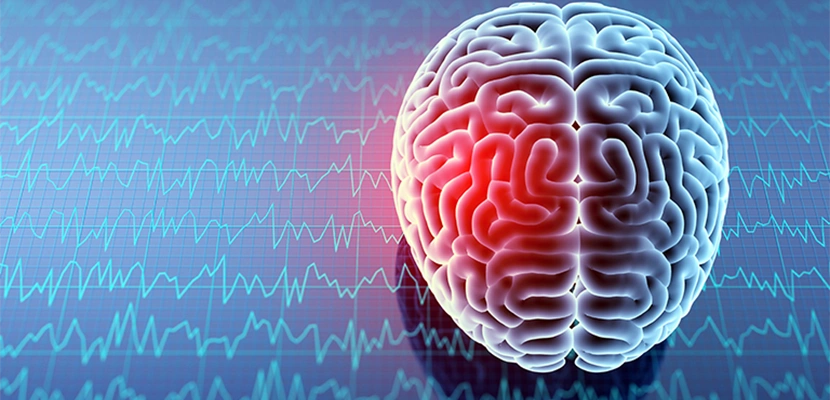
A person who suffers a blow to the head or a penetrating head injury may frequently develop a condition that disrupts the function of the brain, known as a traumatic brain injury (TBI). TBI is a leading cause of death and disability in the United States. Each year, 2.8 million people sustain a traumatic brain injury. Fifty thousand of those die from the TBI, and 282,000 people require hospitalization. Each year, 80,000 to 100,000 people will sustain a long-term disability as a result of a TBI. The Centers for Disease Control and Prevention estimates that at least 5.3 million Americans currently have a long-term or lifelong need for help to perform activities of daily living as a result of TBI.
Las principales causas de traumatismo craneoencefálico en Mississippi son caídas, accidentes automovilísticos, being struck by or against an object, and assaults or abuse by another person. TBI can also result from a violent jolt of the head, such as one might experience in a rear-end automobile collision (whiplash), which may result in serious brain injury. In a violent collision, the head snaps forward, and the brain hits the front of the skull; then the head snaps backward, and the brain hits the back of the skull. These impacts can cause serious brain injury.
Protecting victims. Pursuing justice.
La lesión cerebral traumática leve es la LCT más común, y las personas a menudo no identifican los síntomas cognitivos en el momento de la lesión. En cambio, es posible que incluso regresen al trabajo, a la escuela o a las tareas domésticas. Los amigos y colegas pueden notar cambios en el comportamiento de la persona antes de que la persona lesionada se dé cuenta de que algo anda mal. Estas lesiones pueden tener consecuencias a largo plazo, ya que el 15% de las personas con LCT leve tienen síntomas que duran un año o más.
Los síntomas son similares a los enumerados para el TCE leve, pero puede haber déficits físicos o cognitivos a largo plazo derivados de un TCE moderado. Mucho dependerá del tipo y la ubicación de las lesiones específicas en el cerebro. La rehabilitación ayudará a superar algunos déficits y proporcionará habilidades para hacer frente a los déficits restantes.
Severe brain injuries are life-threatening and often accompanied by a loss of consciousness of more than six hours or post-traumatic amnesia lasting more than 24 hours. A severe TBI survivor will typically face long-term physical and cognitive impairments. The range of the deficits can vary widely from a vegetative state to more minor impairments that may allow the person to still function independently. The person will require extensive rehabilitation to try to overcome some of the deficits and learn strategies to cope with others.
Las funciones ejecutivas, o el procesamiento de grandes cantidades de información compleja relacionada con la planificación, la gestión del tiempo, la toma de decisiones, la coordinación de eventos y la adaptación al cambio, pueden verse afectadas y dar lugar a los siguientes problemas:
La mejoría más espontánea de una lesión cerebral en Mississippi occurs within the first month after a brain injury. Some additional gains may occur over the next three to six months. The long-term effects of a TBI vary from person to person. Some may experience only subtle difficulties, while others will have moderate dysfunction, but for some, the TBI may be life-threatening.
With TBI, the systems that regulate our social-emotional lives are often damaged. Thus, after injury, individuals with TBI may be unable to function well in their prior social roles. They may be confused easily when there is a change in normal routines, and they may be unable to switch to a different tactic or a new task when encountering difficulties. Some TBI survivors may jump at the first solution they see, substituting impulsive responses for considered actions. They may be unable to go beyond a concrete appreciation of situations to understand abstract principles needed to carry learning into new situations.
Personality can change substantially or subtly following injury. The consequences for the individual and their significant others may be difficult, as “the person who once was” is no longer there. The person who was an optimist may now be depressed. The previously tactful and socially skilled negotiator may now blurt embarrassing comments. The person may exhibit a variety of other behaviors: over-dependence, mood swings, lack of motivation, irritability, aggression, lethargy, or inability to modify behavior to varying situations.
Si ha sufrido una lesión cerebral, no ponga en riesgo su situación financiera ni la de su familia. contact our Mississippi brain injury lawyers en Chhabra, Gibbs Gustavis, P.A. hoy mismo para obtener más información sobre sus derechos.
¿Necesita ayuda legal o una consulta? Contáctenos ahora.
"*" indicates required fields
 ES
 EN